
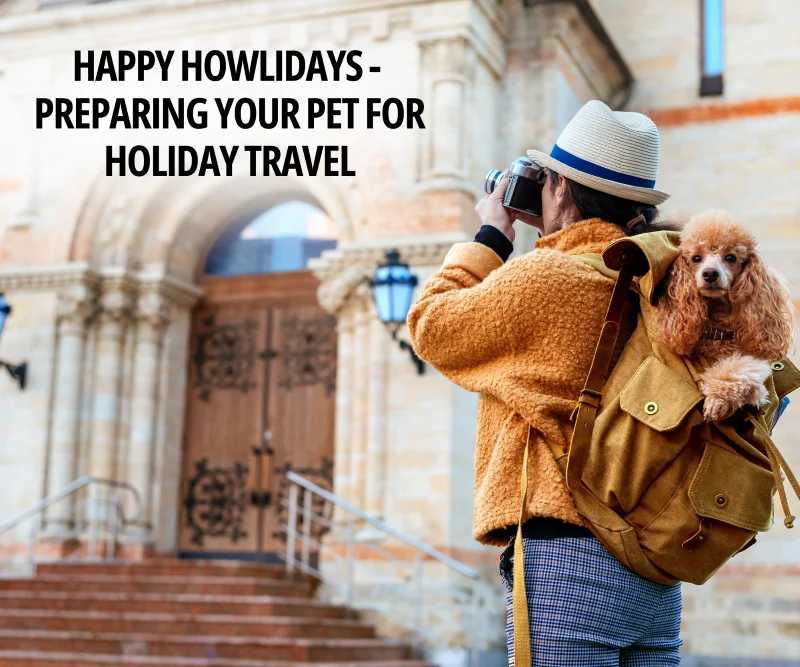
Keep the Holidays Merry for Every Member of the Family
The holiday season is a time to deck the halls and gather with friends and family, including the furry ones. It also brings hazards your dog or cat doesn’t face the rest of the year, from toxic plants and tinsel to rich food and noisy guests. Our team at Sunny Hills Veterinary Hospital in La Habra, CA put together these Christmas safety tips so you can celebrate without an unexpected trip to the vet.
request an appointmentHoliday Decorations That Can Harm Your Pet
Pet poisonings happen all year, but the holidays bring more of them because of all the new plants, foods and decorations in the home. Knowing which ones are risky is the first step to keeping your pet safe.
The Christmas Tree
Christmas trees themselves are not poisonous, but the water in the stand can be. Many people add fertilizer or preservatives to tree water, and even plain water that sits for weeks grows bacteria that can cause nausea and diarrhea if your pet drinks it. Cover the water bowl and anchor the tree securely so a curious cat or an excited dog can’t tip it over or spill the water.
Holly, Mistletoe and Other Plants
Holly can cause vomiting, nausea and diarrhea. Mistletoe can lead to stomach upset as well as heart and blood pressure problems. Other common plants are also dangerous:
- Lilies can cause kidney failure in cats, even in small amounts.
- Aloe vera is toxic to dogs and cats and can cause vomiting, diarrhea, loss of appetite and tremors.
- Poinsettias can irritate the mouth and stomach.
Remember that the homes you visit may have plants you don’t keep at home. If you aren’t sure whether a plant is safe, check the ASPCA Animal Poison Control list of toxic and non-toxic plants or call us. You can also review our page on top pet toxins for more household hazards to watch for.
Tinsel, Ornaments, Candles and Fireworks
Cats love anything shiny, which makes tinsel one of the biggest holiday risks. Even a short strand can tangle in the intestines and cause a blockage that may need surgery. New Year’s streamers carry the same danger. Keep these items out of reach as well:
- Glass and plastic ornaments, which can cut the mouth and digestive tract if chewed
- Lit candles, which can burn curious noses and tails or get knocked over
- Electrical cords and light strands, which can cause burns or shocks if chewed
Fireworks, sparklers and party poppers can be frightening for pets. Keep them indoors in a quiet room during celebrations.
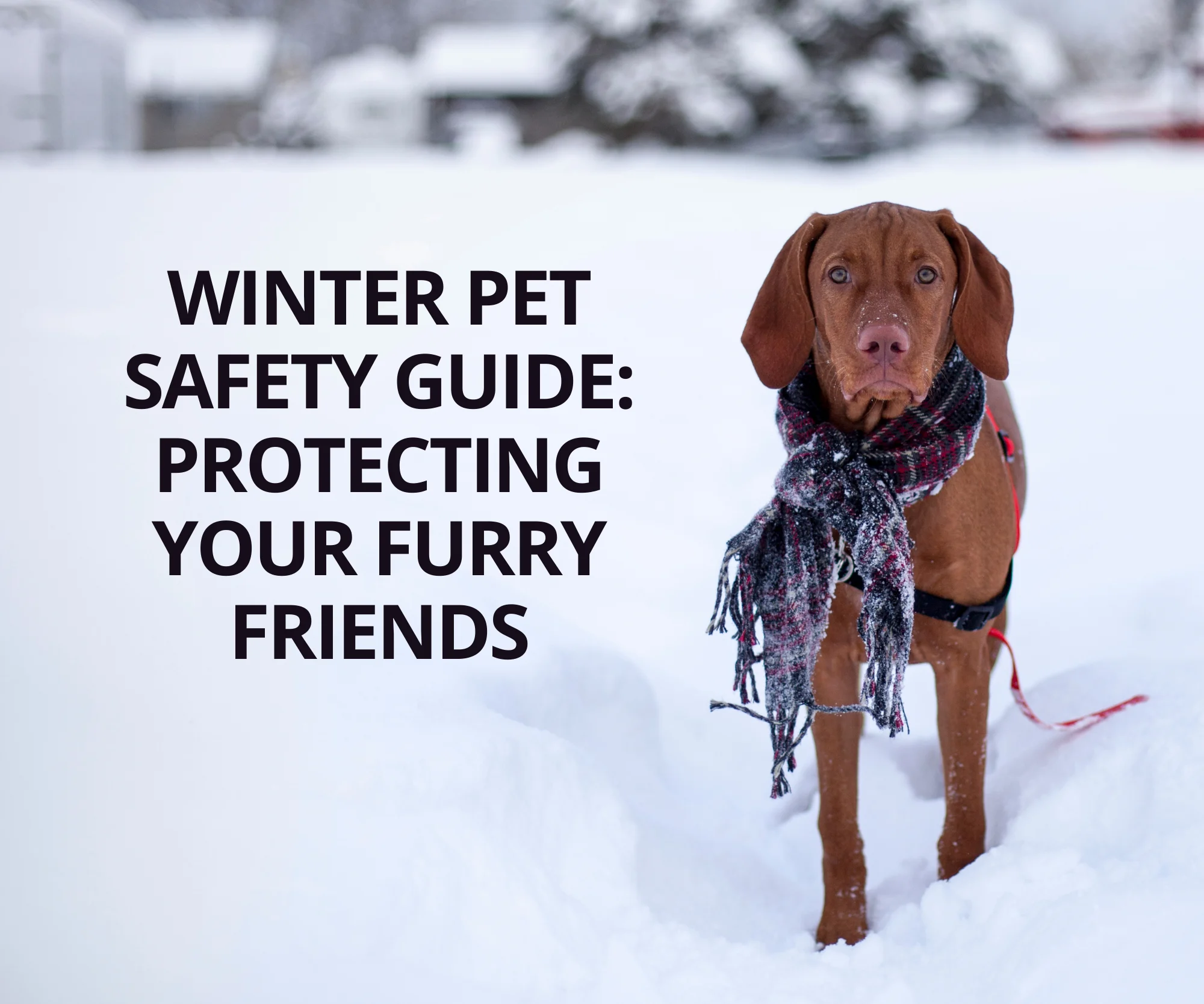
Traveling Safely With Your Pet
Your pet needs a safe spot in the car, just like you do. That means no riding on laps, hanging out the window or sitting in the bed of a truck. Use a crate that fits your pet properly and secure it with a seat belt or strap.
Before you leave, make sure your pet’s collar has your current phone number. A microchip adds permanent backup identification and hurts no more than a routine vaccine. Learn more about microchip implants at our hospital. During rest stops, always keep your dog on a leash. New places can make even the calmest dog bolt.
Holiday Food and Drinks to Keep Away From Pets
The rich food we enjoy over the holidays is hard on a pet’s stomach. Ask guests not to feed your pets, no matter how much they beg, and keep an eye on unattended plates and trash cans. Foods to keep off the menu include:
- Chocolate and sweets, which can cause vomiting, a racing heart and seizures
- Turkey skin, ham and other fatty meats, which can trigger pancreatitis in dogs
- Cooked bones, which can splinter or cause choking and blockages
- Spicy and heavily seasoned dishes, including foods with onion or garlic
- Raw bread dough and yeast rolls, which can cause painful bloating and gas
Alcohol is another serious danger. Pets that drink from unattended glasses can become very sick, and severe cases can lead to coma or breathing failure. Ask guests to keep drinks off low tables.
Give Your Pet a Quiet Space
Holiday gatherings are loud and busy, which can be stressful for a pet used to a calm household. Set up a quiet corner or room with a comfy blanket, water and a favorite toy where your pet can rest away from the crowd. Try to keep feeding times, potty breaks and walks on their normal schedule. A familiar routine helps pets adjust, whether you’re at home or visiting family.
If you think your pet ate something harmful, call us right away at (714) 526-4694. Our emergency services page explains how we can help when something goes wrong.
Christmas Pet Safety FAQs
Is my Christmas tree poisonous to my dog or cat?
The tree itself is not considered poisonous, but pine needles can irritate the mouth and stomach, and the water in the tree stand can contain fertilizers, preservatives or bacteria. Cover the stand and secure the tree so your pet can’t drink the water or knock the tree over.
Why is tinsel so dangerous for cats?
Cats are drawn to shiny, moving objects. If a cat swallows tinsel, it can bunch up in the intestines and cause a blockage that may require surgery. Signs include vomiting, loss of appetite and lethargy. It’s safest to skip tinsel entirely in homes with cats.
Which holiday plants are toxic to pets?
Holly, mistletoe, lilies and aloe vera are among the most concerning. Lilies are especially dangerous for cats and can cause kidney failure. Poinsettias are less toxic but can still upset the stomach. Keep these plants out of reach or choose pet-safe alternatives.
Can I give my dog a little turkey or ham?
It’s best not to. Fatty foods like turkey skin and ham can trigger pancreatitis, a painful and sometimes serious inflammation of the pancreas. Cooked bones can splinter or cause blockages. A few pieces of plain, skinless, boneless cooked turkey are less risky, but ask us first if your pet has a sensitive stomach.
What should I do if my pet eats chocolate?
Call us at (714) 526-4694 right away, and have the type and amount of chocolate ready if you know it. Dark and baking chocolate are the most dangerous. Don’t wait for symptoms to appear, since early treatment works best.
How can I help my pet stay calm during holiday parties?
Give your pet a quiet room with bedding, water and a favorite toy, away from the noise. Keep meals, walks and potty breaks on their usual schedule. If your pet has a lot of anxiety around guests or fireworks, talk with our team about other ways to help.
Should I microchip my pet before holiday travel?
Yes. Pets in unfamiliar places are more likely to slip away, and collars can come off. A microchip gives permanent identification that shelters and vet clinics can scan. Make sure the chip registration has your current contact information.
Enjoy a Safe and Happy Holiday Season
With a little planning and a lot of patience, your pet can enjoy the holidays as much as you do. If you have questions about holiday hazards, travel or your pet’s health, call Sunny Hills Veterinary Hospital at (714) 526-4694 or schedule a visit with our La Habra, CA team before the festivities begin.