
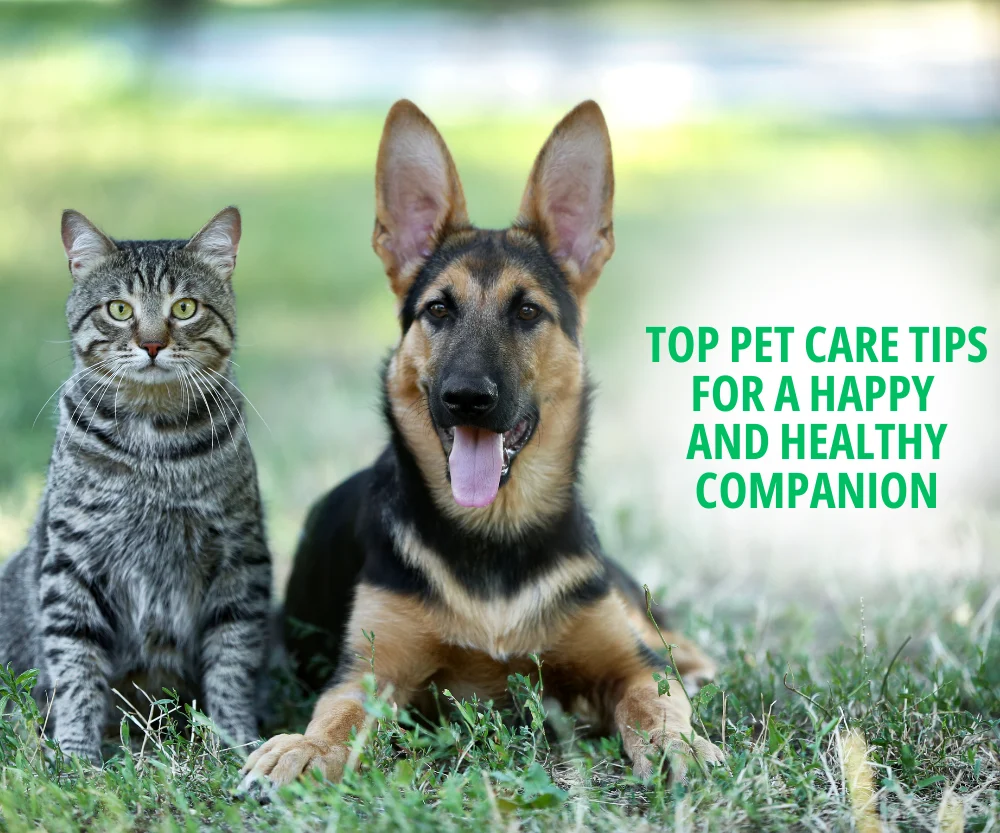
The Right Diet Is the Foundation of Lifelong Health
What your pet eats every day shapes their energy, weight, skin and coat, digestion and long-term health. At Sunny Hills Veterinary Hospital, we offer nutrition counseling for dogs and cats in La Habra, CA and the surrounding communities, helping you choose the right food, the right portions and the right plan for every stage of your pet’s life.
request an appointmentWhy Nutrition Matters for Your Pet
Good nutrition is one of the simplest and most powerful ways to protect your pet’s health. With so many foods, treats and feeding trends available, it can be hard to know what is truly best. Our team takes the guesswork out of feeding by looking at your pet’s age, breed, size, activity level and medical history, then giving you clear, practical recommendations you can follow at home.
Helpful tip: One of the best ways to make sure your pet’s nutritional needs are being met is to discuss their diet and eating habits with our friendly staff at every visit. Small changes in appetite, weight or body condition are often the first clues that something needs attention.

Nutrition Through Every Life Stage
Your pet’s needs change as they grow. Puppies and kittens need the right balance of nutrients to support healthy growth and development, which is why diet is a key part of our puppy and kitten wellness plans. Adult pets need a diet that maintains a healthy weight and provides steady energy. As pets age, their metabolism, joints and organs change, so switching to a quality senior diet can help them stay comfortable and active in their later years.
Helping Pets Reach and Maintain a Healthy Weight
Obesity is one of the most common problems we see in dogs and cats. It often starts with good intentions. Many owners give in when their pets beg, or show their love with extra treats and table scraps. Over time, those extra calories add up.
Excess weight is a serious health concern that should not be ignored. It can contribute to arthritis and joint pain, diabetes, breathing problems, heat intolerance and a shorter, less active life, especially as pets age. The good news is that weight problems can be improved with the right plan.
If your pet is overweight, our team can help you:
- Assess your pet’s body condition and set a realistic target weight
- Calculate how much to feed each day and choose an appropriate food
- Find healthier treat options and smarter ways to reward your pet
- Build a safe diet and exercise routine that fits your household
- Track progress with regular weigh-ins and adjust the plan as needed
For more ideas you can use at home, see our weight management tips for pets.
Diets for Pets With Medical Conditions
Some health conditions can be managed or supported with a specially formulated diet. Pets with kidney disease, urinary problems, food allergies, digestive issues, diabetes or other conditions may benefit from a therapeutic diet. After a thorough exam and any needed testing, our veterinarians can recommend whether a special diet makes sense for your pet and how to transition them to it safely.
What to Expect at a Nutrition Consultation
During your visit, we will weigh your pet, evaluate their body condition and talk with you about what, how much and how often they eat, including treats and any supplements. We will review your pet’s health history and activity level, answer your questions and send you home with clear feeding recommendations. Bringing the name of your pet’s current food, or a photo of the label, helps us give you the most accurate advice.
Pet Nutrition FAQs
How do I know if my pet is overweight?
You should be able to feel your pet’s ribs easily without pressing hard, and see a visible waist when looking from above. If you can’t feel the ribs or your pet has a rounded belly, they may be carrying extra weight. Our team can perform a body condition assessment at your next visit.
How much should I feed my dog or cat?
The right amount depends on your pet’s age, size, activity level and the calorie content of their food. Feeding guidelines on the bag are only a starting point and often overestimate needs. We can calculate a daily portion tailored to your pet.
When should I switch my pet to a senior diet?
Many dogs and cats benefit from a senior diet around 7 years of age, though large-breed dogs may need it sooner. We look at your pet’s overall health, weight and activity before recommending a change.
Are table scraps and treats bad for pets?
Occasional healthy treats are fine, but treats should make up only a small part of your pet’s daily calories. Many human foods are high in fat or salt, and some can be toxic to pets, so it’s best to ask us before sharing food from your plate.
Can diet help manage my pet’s medical condition?
Yes. Specially formulated diets can support pets with conditions such as kidney disease, urinary issues, food allergies, digestive problems and diabetes. Our veterinarians will recommend whether a therapeutic diet is right for your pet after an exam.
How should I change my pet’s food?
Switch foods gradually over about 7 to 10 days by mixing increasing amounts of the new food with the old. Changing too quickly can cause stomach upset. Let us know if your pet has vomiting, diarrhea or refuses to eat during the transition.
Does Sunny Hills Veterinary Hospital offer nutrition counseling in La Habra?
Yes. We provide nutrition and weight counseling for dogs and cats in La Habra, CA and nearby communities. You can discuss your pet’s diet at any visit or schedule an appointment focused on nutrition.
Let’s Build a Healthier Plan for Your Pet
Have questions about your pet’s diet, weight or lifestyle? Call us at (714) 526-4694 or request an appointment online. Our team at Sunny Hills Veterinary Hospital is here to help you keep your pet as healthy as possible.