
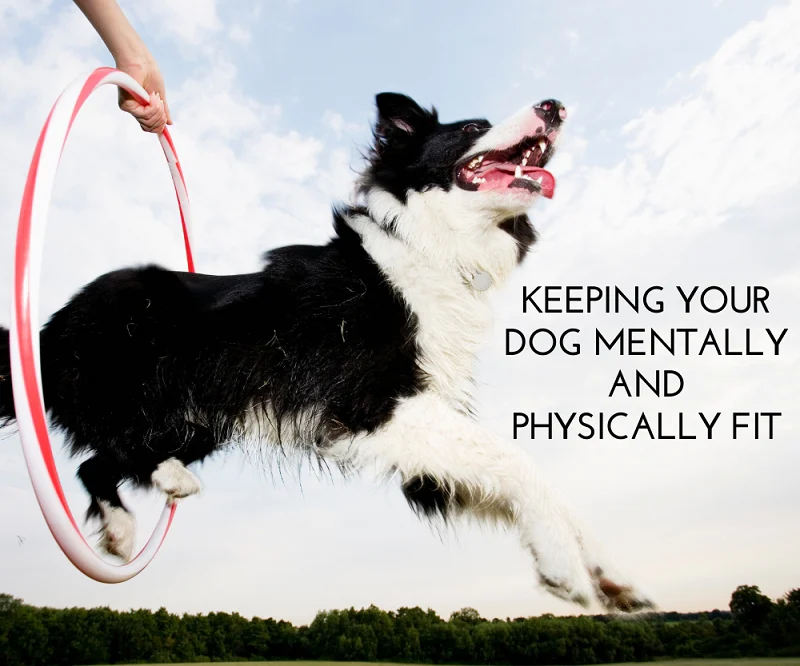
A Healthy Weight Adds Good Years to Your Pet’s Life
Table scraps, extra treats and generous portions can slowly add pounds to a dog, cat or bird. The extra weight puts strain on joints, organs and energy levels. At Sunny Hills Veterinary Hospital in La Habra, CA , we help pet owners find a realistic balance of food and activity that keeps their companions trim, comfortable and ready to play for years to come.
request an appointmentWhy Pet Weight Deserves Your Attention
Weight gain in pets usually happens gradually, so owners often miss it until it becomes a real problem. Studies suggest that more than half of dogs and close to 60% of cats carry more weight than they should. Birds face the same risk. Most of them have a constant food supply, which makes obesity one of the most common health problems we see in pet birds.
Extra weight affects more than appearance. Overweight pets are more likely to develop joint pain, diabetes, breathing difficulties and heart strain. Research has found that obese dogs live, on average, about two years less than dogs kept at a healthy weight. Those two years matter, and much of the difference comes from everyday choices made at home.
Common Causes of Weight Gain in Pets
- “People food” as treats: Small bites of human food carry far more calories for a pet’s body size than most owners realize.
- Overfeeding: Free-feeding or estimating portions by eye often adds up to more food than your pet needs.
- Too little exercise: Indoor lifestyles and short walks may not burn off the calories your pet eats.
- Life stage changes: Metabolism slows after spaying or neutering and again as pets reach their senior years.
- Underlying health conditions: Some medical issues can cause weight gain. A veterinary exam helps rule these out.
Everyday Tips for Keeping Your Pet Trim
Measure Meals Instead of Guessing
Use a measuring cup or kitchen scale for every meal, and divide the daily amount into set feedings. This simple habit removes much of the guesswork that leads to slow weight gain.
Choose Smarter Treats
Trade high-calorie snacks and table scraps for natural, low-calorie options your veterinarian approves. As a general guide, treats should make up only a small share of your pet’s daily calories.
Pair Diet With Daily Movement
Cutting food drastically is not the answer. Too little food can leave a pet malnourished. The most reliable approach combines balanced eating with regular exercise, such as daily walks, play sessions, puzzle feeders for cats and flight or climbing time for birds.
Track Progress Over Time
Weigh your pet regularly or have us check weight during routine physical exams. Small, steady changes are healthier and easier to maintain than rapid weight loss.
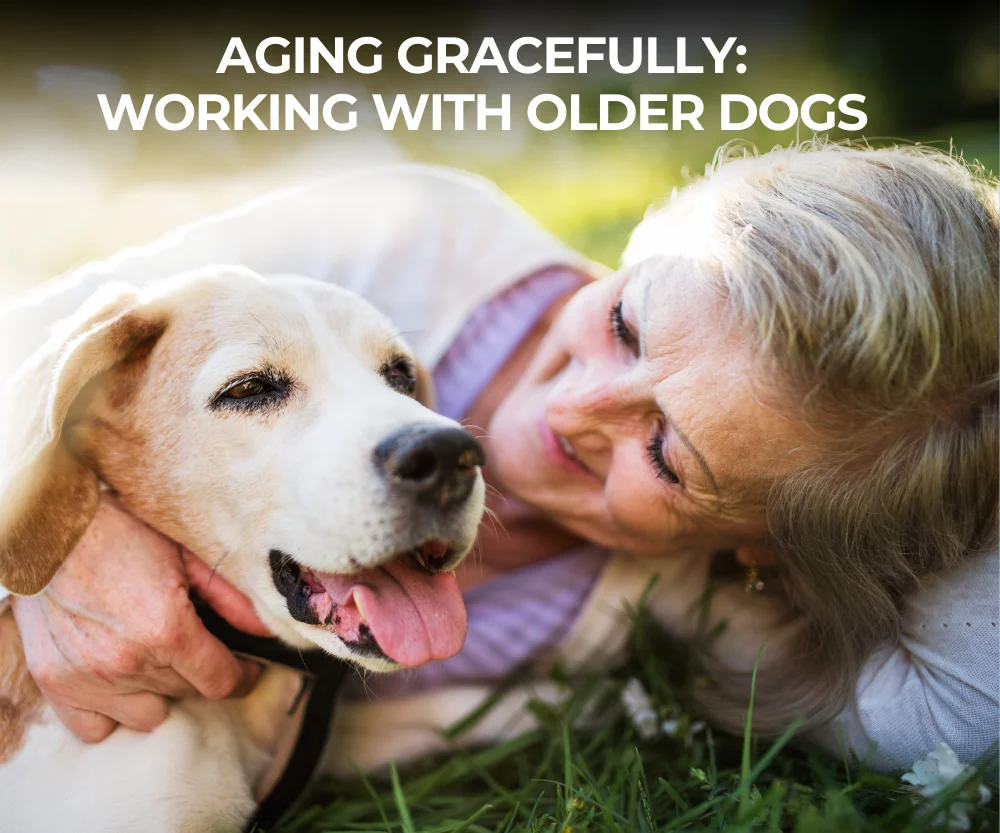
Adjusting Nutrition for Each Stage of Life
Senior pets tend to slow down, and their diets often need to change along with them. For older dogs and cats, we frequently suggest a food that is higher in protein and fiber but lower in fat. Younger pets face a different challenge. After being spayed or neutered, many eat more and move less. Adjusting portions or switching to a lower-calorie food during this period can prevent weight gain before it starts. Our nutrition counseling builds a plan that fits your pet’s age, breed and activity level.
How Our Team Supports Your Pet’s Weight Goals
Every pet is different, so a weight plan should be tailored to the individual animal. During a visit, our veterinarians assess your pet’s body condition, review current food and treat habits, and check for any medical causes of weight gain. From there, we recommend a realistic feeding and exercise routine and schedule follow-ups to track progress.
If your pet is already overweight, or just a few pounds heavier than ideal, addressing it now is easier than reversing it later. To learn more about our practice and the people behind it, visit our About Us page.
Pet Weight Management FAQs
How can I tell if my pet is overweight?
You should be able to feel your dog’s or cat’s ribs easily without pressing hard, and see a visible waist when you look from above. If the ribs are hard to find or the waist is gone, your pet may be carrying extra weight. A veterinary body condition assessment gives you a clear answer.
Is it safe to simply cut my pet’s food in half?
No. Sharply reducing food can leave your pet without the nutrients it needs. A gradual, balanced plan that pairs appropriate portions with more exercise is safer and works better over time.
Are table scraps really that harmful?
Small amounts of human food can add a surprising number of calories for a pet’s size, and some foods are toxic to animals. Over time, regular scraps are one of the most common causes of obesity in dogs and cats.
Can birds become overweight too?
Yes. Obesity is one of the biggest health problems in pet birds, largely because they often have constant access to food. Measured portions, a varied diet and time out of the cage for activity all help.
Will spaying or neutering make my pet gain weight?
Spaying or neutering can slow your pet’s metabolism, and some pets eat more and move less afterward. Adjusting portions or switching to a lower-calorie food during this time usually prevents unwanted weight gain.
What should a senior pet’s diet look like?
Many older dogs and cats do well on a diet higher in protein and fiber and lower in fat, since they are often less active. Your veterinarian can recommend a specific food based on your pet’s health and activity level.
How often should my pet’s weight be checked?
Weight should be recorded at every wellness visit. If your pet is on a weight loss plan, more frequent check-ins help track progress and allow us to adjust the plan as needed.
Help Your Pet Reach a Healthier Weight
Whether your pet needs to lose a few pounds or you simply want to keep them in great shape, our team is here to help. Call (714) 526-4694 or request an appointment with Sunny Hills Veterinary Hospital to start a weight plan that fits your pet’s needs.