
Answers When Your Pet Just Isn’t Feeling Right
Lethargy, weight loss, a fading appetite or vomiting that keeps coming back can point to problems deep inside your pet’s body. At Sunny Hills Veterinary Hospital in La Habra, CA , our internal medicine care focuses on finding the cause behind these vague symptoms, then building a treatment plan that helps your dog or cat feel like themselves again as quickly as possible.
request an appointmentWhat Is Veterinary Internal Medicine?
Internal medicine is the branch of veterinary care that deals with the organs and systems inside an animal’s body, including the endocrine glands, liver, kidneys, digestive tract, blood and immune system. These cases are often more complex than a routine illness because the early signs are nonspecific. A pet with thyroid disease, an adrenal disorder or a hidden infection may simply seem tired, thirsty, thinner or less interested in food.
Did you know? Veterinarians who focus on internal medicine work with patients showing nonspecific signs such as lethargy, weight loss, appetite loss, vomiting and many others. Finding the root cause is the key to effective treatment.
How We Approach Your Pet’s Care
Our entire team is dedicated to getting your pet back to normal as soon as possible. Every internal medicine visit follows a clear, thorough process:
- Detailed history: A technician starts by gathering your pet’s history, recent changes in behavior, eating habits, medications and any symptoms you’ve noticed at home.
- Thorough examination: Our veterinarian performs a complete hands-on exam and walks you through the options for next steps.
- Diagnostic workup: We routinely perform full workups that include blood work through our in-house laboratory, so many results are available quickly.
- Imaging when needed: X-rays, ultrasound or other imaging help us see what’s happening inside the body.
- Advanced testing: If the answer isn’t clear yet, we may run more precise tests to pinpoint exactly what’s wrong.
Treatment That Starts as Soon as Possible
Once we have a diagnosis, we’ll go over your treatment options in plain language so you can make the best decision for your pet and your family. Whenever we can, we begin treatment right away. Our on-site pharmacy is stocked with the medications most pets need to get back on track, so you can often leave with everything in hand.
For pets who need closer monitoring, we offer hospitalization with IV catheters, fluids and extra supportive care. Our team watches these patients closely and keeps you updated on their progress.
Common Conditions We Diagnose and Treat
- Endocrine disorders, including hypothyroidism and hyperthyroidism
- Cushing’s disease and Addison’s disease
- Diabetes in dogs and cats
- Infections and inflammatory conditions
- Blood diseases
- Cancer
- A wide variety of other internal diseases
Signs Your Pet May Need an Internal Medicine Visit
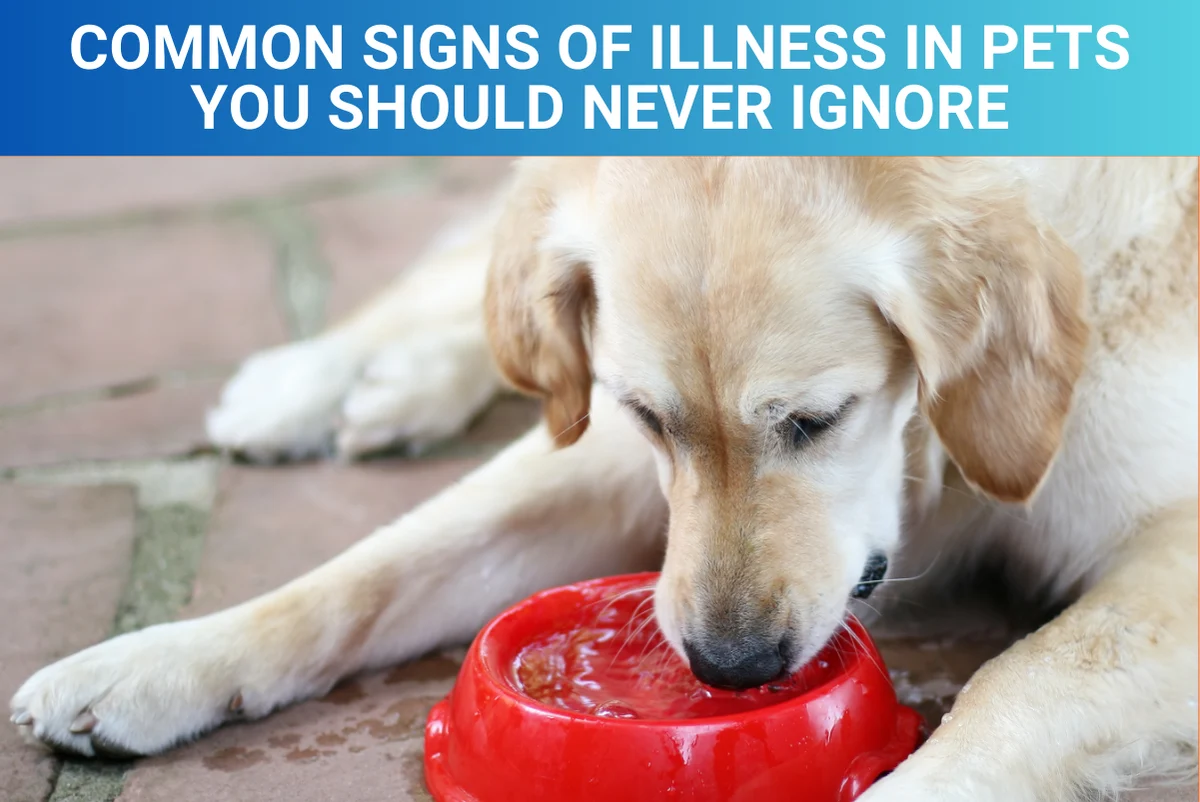
Many internal conditions develop slowly, and pets are good at hiding discomfort. Schedule a visit if you notice:
- Ongoing tiredness or less interest in play
- Unexplained weight loss or weight gain
- Drinking or urinating more than usual
- Reduced appetite or refusing food
- Vomiting or diarrhea that comes and goes
- Changes in coat quality, hair loss or a pot-bellied look
- Pale gums, unusual bruising or swelling
Catching these changes early often means simpler treatment and a better long-term outlook. Routine physical exams and senior screening are some of the best ways to spot internal disease before it becomes serious.
Internal Medicine FAQs
What does a veterinary internal medicine visit involve?
A technician first takes a detailed history of your pet’s symptoms and health. Our veterinarian then performs a thorough physical exam and recommends diagnostics, which usually include blood work and may include X-rays, ultrasound or more specialized tests.
What symptoms suggest my pet has an internal health problem?
Common signs include lethargy, weight loss, poor appetite, vomiting, diarrhea, increased thirst or urination, hair loss and pale gums. Because these symptoms are vague, testing is usually needed to find the underlying cause.
Which conditions do you treat with internal medicine?
We diagnose and treat endocrine disorders such as hypothyroidism and hyperthyroidism, Cushing’s disease, Addison’s disease, infections, inflammatory conditions, blood diseases, cancer and many other internal illnesses in dogs and cats.
How long does it take to get a diagnosis?
Many blood test results are available quickly through our in-house laboratory. Some cases need imaging or more precise tests, which can take longer. We keep you informed at every step and start treatment as soon as it’s safe to do so.
Can my pet start treatment the same day?
Often, yes. When a diagnosis is clear, we begin treatment right away, and our on-site pharmacy carries many of the medications pets need so you can take them home after the visit.
Do you hospitalize pets that need extra care?
Yes. We offer hospitalization for pets that need IV catheters, fluids and close monitoring. Our team provides supportive care and keeps you updated on how your pet is doing.
Are chronic conditions like thyroid disease or Cushing’s manageable?
Many chronic internal conditions can be managed well with the right medication, regular monitoring and follow-up blood work. Our veterinarians create a long-term plan to keep your pet comfortable and help them enjoy a good quality of life.
Let’s Find Out What’s Going On
If your pet hasn’t seemed like themselves lately, don’t wait for the symptoms to get worse. Call Sunny Hills Veterinary Hospital at (714) 526-4694 or request an appointment online, and our team will help get your pet on the road to feeling better.