
A Diabetes Diagnosis Is Not the End of the Road
Hearing that your cat has diabetes can feel overwhelming, but many diabetic cats go on to live comfortable, happy lives with the right care. At Sunny Hills Veterinary Hospital in La Habra, CA , our team walks with you from the first blood test through daily insulin, follow-up checks and long-term monitoring. We explain your options clearly, teach you everything you need to know, and stay by your side until your cat is stable and you feel confident at home.
request an appointmentUnderstanding Diabetes in Cats
Diabetes mellitus happens when a cat’s body cannot produce enough insulin or stops responding to it properly. Without insulin doing its job, sugar builds up in the bloodstream instead of fueling the body’s cells. Most cats develop a form similar to type 2 diabetes in people, which is often linked to weight, age and diet. Middle-aged and older cats, overweight cats and male cats tend to be at higher risk.
Signs Your Cat May Have Diabetes
Diabetes often develops gradually, so the early signs can be easy to miss. Schedule an exam if you notice any of the following:
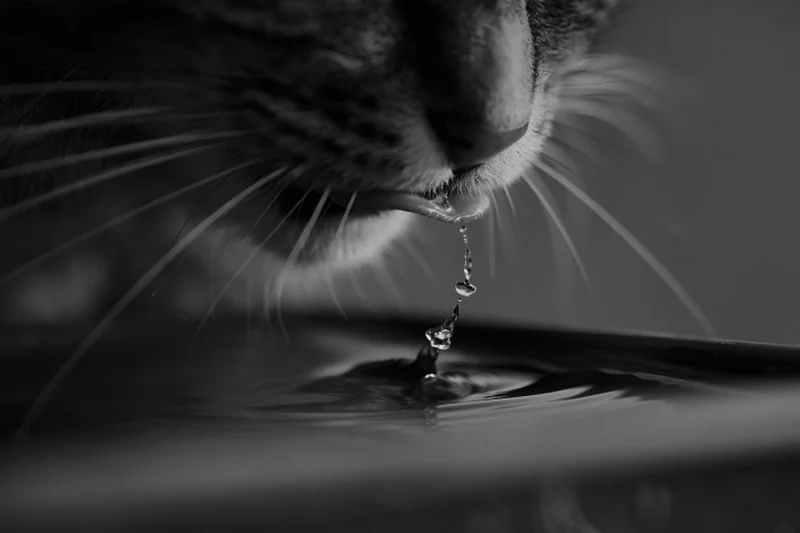
- Drinking much more water than usual
- Urinating more often or producing larger clumps in the litter box
- Losing weight even though appetite is normal or increased
- Lethargy, hiding or sleeping more than usual
- A dull, unkempt coat
- Walking flat on the back legs, with hocks close to the ground
If your cat is vomiting, refusing food or seems very weak, call us right away, since these can signal a serious complication.
How We Diagnose Feline Diabetes
Diagnosis starts with a thorough physical exam and a conversation about your cat’s habits and history. We then run blood and urine tests to check glucose levels and rule out other conditions that cause similar symptoms, such as kidney disease or hyperthyroidism. Our in-house laboratory lets us get many results quickly, so you are not left waiting for answers.

Treatment and At-Home Coaching
Once your cat is diagnosed, we talk through every option with you. If you choose insulin therapy, our entire staff is available to coach you. We show you how to store and handle insulin properly, how to draw up the correct dose and how to give injections gently and confidently. Most owners are surprised by how quickly it becomes part of the daily routine.
We also review lifestyle changes that support better blood sugar control. Diet plays a major role, and many diabetic cats do well on a higher-protein, lower-carbohydrate food. Our nutrition counseling helps you choose the right food, set portion sizes and work toward a healthy weight, while gentle play and activity keep your cat moving.
Follow-Up Care and Long-Term Monitoring
Follow-up visits are one of the most important parts of managing a diabetic cat. It can take a few weeks or even a few months to find the insulin dose that works best for your cat. During this time, we check blood sugar levels regularly and adjust the dose until we see real improvement.
Once your cat is regulated, visits become less frequent, but we still recommend routine blood sugar checks to make sure your cat continues getting exactly what he or she needs. Needs can change over time, and with consistent care and a good diet, some cats even reach remission and no longer require insulin.
Watching for Low Blood Sugar
Too much insulin can cause blood sugar to drop too low. Signs include weakness, wobbliness, confusion, twitching or seizures. We will explain exactly what to do if you ever see these signs, and you can always call us at (714) 526-4694 with questions about your cat’s insulin or behavior.
Feline Diabetes FAQs
What are the first signs of diabetes in cats?
The most common early signs are increased thirst, more frequent urination and weight loss despite a good appetite. Some cats also become lethargic or develop a weak, flat-footed stance in their back legs.
Can diabetes in cats be cured?
Diabetes is usually a lifelong condition, but some cats go into remission when it is caught early and managed with insulin, diet changes and weight control. Even in remission, regular monitoring is important.
Is giving my cat insulin injections difficult?
Most owners find it much easier than they expect. The needles are very small, and our team shows you step by step how to give injections calmly. Many cats barely notice them, especially when given with a meal.
How often will my diabetic cat need to visit the vet?
Expect more frequent visits in the first few weeks or months while we find the right insulin dose. Once your cat is regulated, check-ups and blood sugar tests become less frequent but remain an important part of care.
What should I feed a cat with diabetes?
Many diabetic cats do best on a high-protein, low-carbohydrate diet, often canned food. We will recommend a specific diet and feeding schedule based on your cat’s weight, health and insulin plan.
What happens if my cat’s blood sugar drops too low?
Low blood sugar can cause weakness, wobbling, confusion or seizures. If you see these signs, contact us immediately. We will give you clear instructions in advance so you know how to respond.
Can diabetes in cats be prevented?
Not every case can be prevented, but keeping your cat at a healthy weight, feeding a balanced diet and encouraging daily activity lowers the risk. Routine wellness exams also help catch rising blood sugar early.
Get Support for Your Diabetic Cat
If you think your cat may have diabetes or you have questions about managing a recent diagnosis, our team is here to help. Call (714) 526-4694 or request an appointment online to have your cat tested and start a care plan that fits your household.